Los Chupaflores
1: Ornamental Elements
1.1: No Hummingbird God
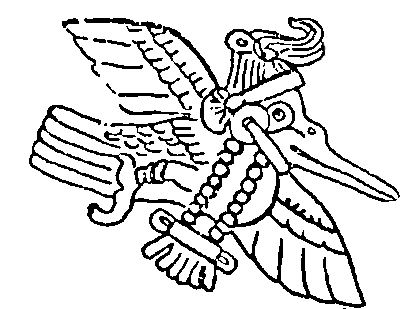
There isn't really any indication of the existence of a hummingbird deity. Instead, the hummingbird is a divine messenger that carries the thoughts and wishes between the humans and the gods. They show up adorned as minor deities or divinities like the following image drawn from a mural in Chichen Itza.
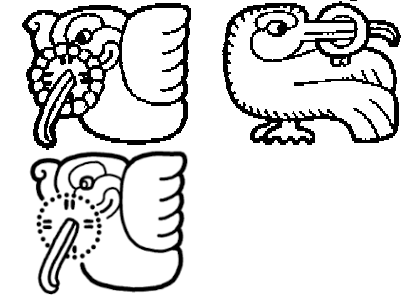
Here are glyphs for the word x ts'unu'um, the Yucateca Maya word for hummingbird. In glyph form, the bird is always piercing a flower with its beak. This distinguishes it from other birds written in glyphs.
1.2: K'inich Ajaw, the Sun god
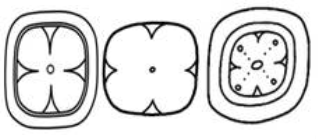
The hummingbird is frequently associated with this Sun god because he turned himself into a hummingbird to sneak into the Moon goddess's garden in a plot to elope with her. It was the hottest love story of the millennium, really. The glyph for Sun (k'in in Maya) is a four-petaled flower.
- Boulder or circular outline (optionally bold, or optionally a symmetric cave).
- If outline is not bold or cave, then optionally within it, a circle (optionally bold).
- Defining characteristic: 4
<ticks (suitably rotated), at the N, S, E, W points of the circle. - Optionally, a dot in the center.
- Optionally, 4 smaller dots, one in the center of each of the 4 petals formed by the
<elements.
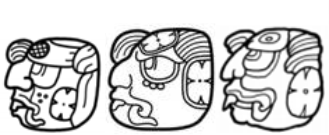
When intented to represent k'inich, the sun god, the boulder becomes a head bearing the k'in symbol on top of the head, on the back of the head (or both), or his ear spools (or both). His tongue is almost always sticking out.
1.3: Ornamental flowers
Below are some representations of flora from Maya art. They may inspire ornamental surroundings.
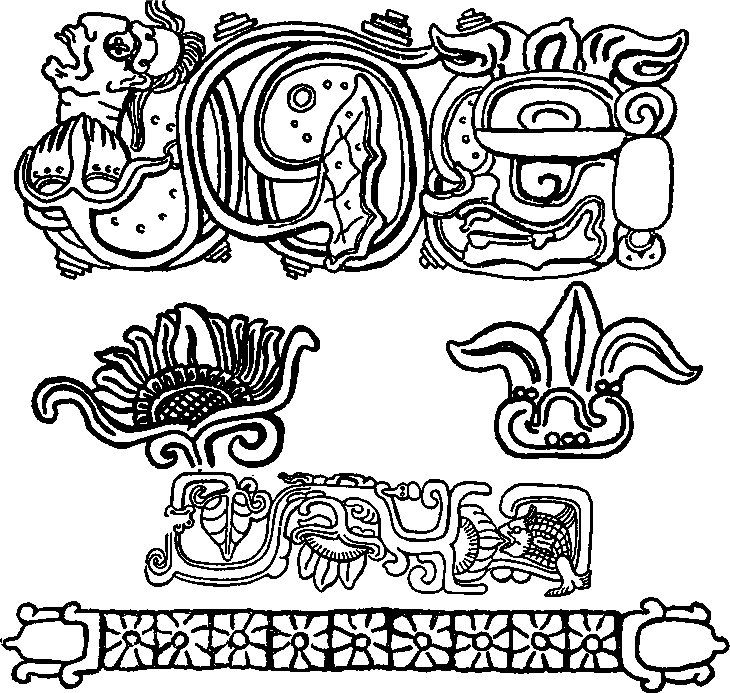
2. Flower elements
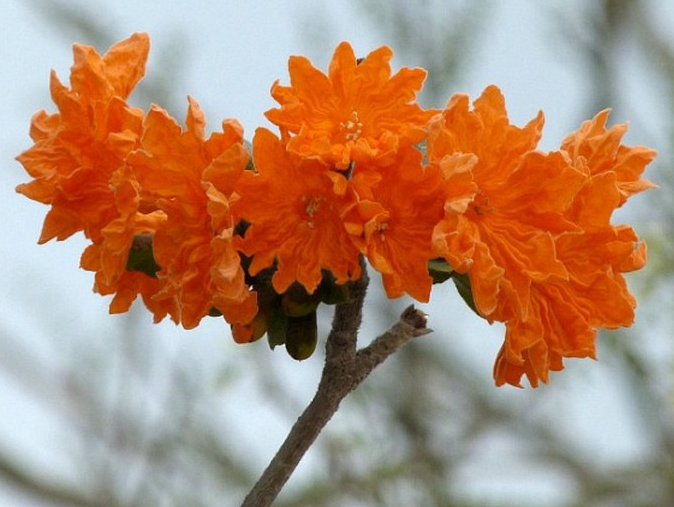
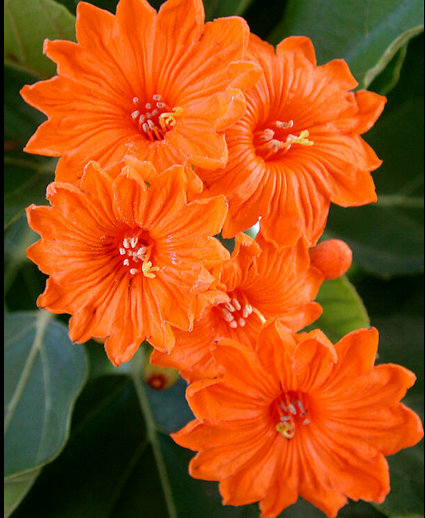
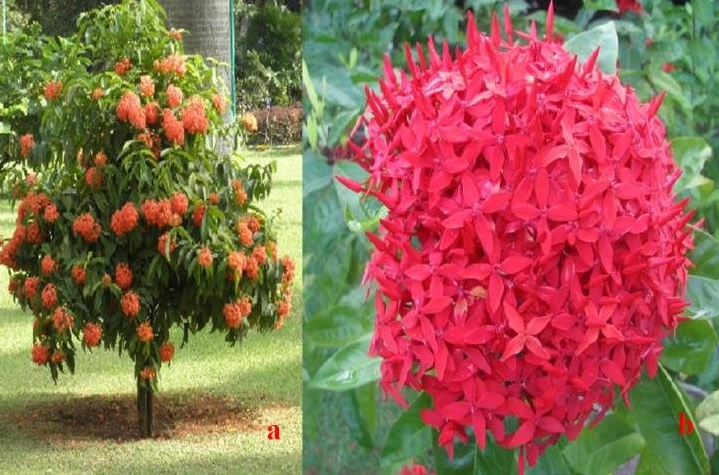
2.1: Siricote
Perhaps the most important hummingbird plant in the Yucatán. They are striking, trumpet-shaped flowers that grow in bright orange or reddish clusters at the ends of its tree branches.
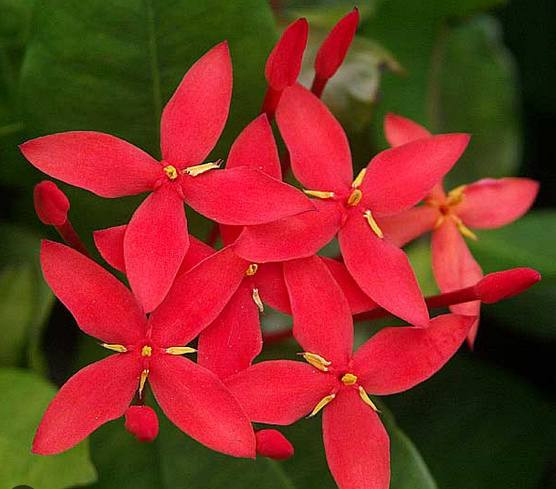
2.2: Jungle Flame
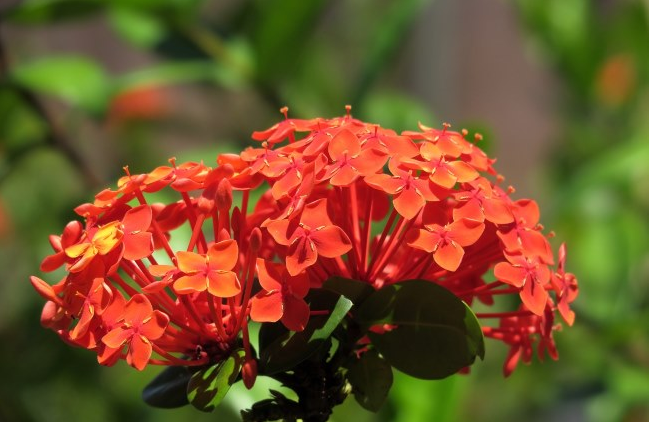
More trumpet shapes that are specialized toward hummingbirds. These flowers are known locally as Cruz de Malta. The four-leafed flower shows up a lot in Maya art. To the Maya, this flower is a symbol of resistance and endurance. It often appears in Red, Orange, and Purple coloration.
2.3: Morning Glory
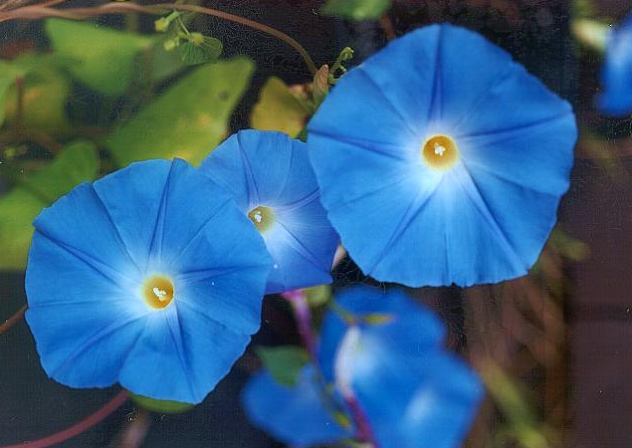
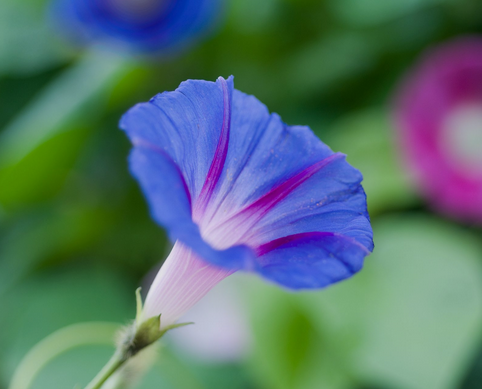
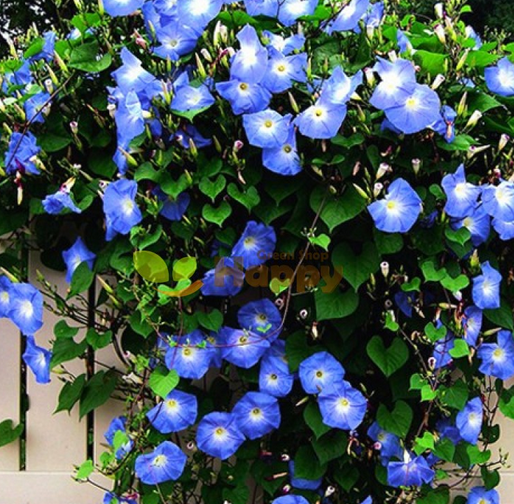
he morning glory is particularly significant in the Yucatan during the months leading up to Hanal Pixán. The blooming of the blue Ulu'um ja' is often seen as a signal that the rainy season is ending and the spirits are nearing. It is a vine, with flowers that follow a distinct daily rhythm: they unfurl at dawn to reveal their most intense color, then gradually fade to a soft pinkish-purple by afternoon before wilting completely. In the limestone-rich soils of the Yucatan, the vine often forms dense, cascading mats over stone walls and forest edges, creating vibrant blue curtains that stand out sharply against the deep green tropical foliage.
3. Hummingbird elements
3.1: Canivet's Emerald
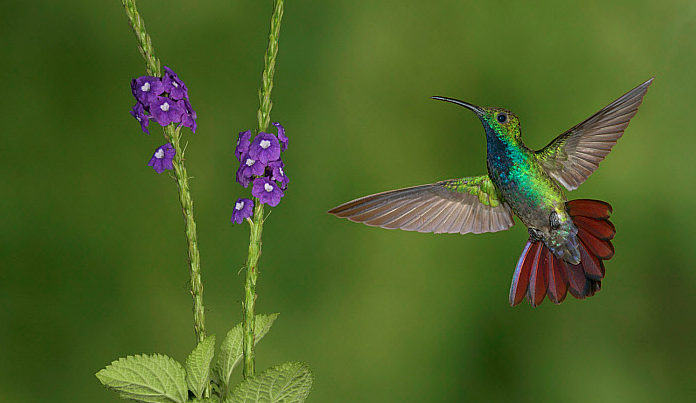
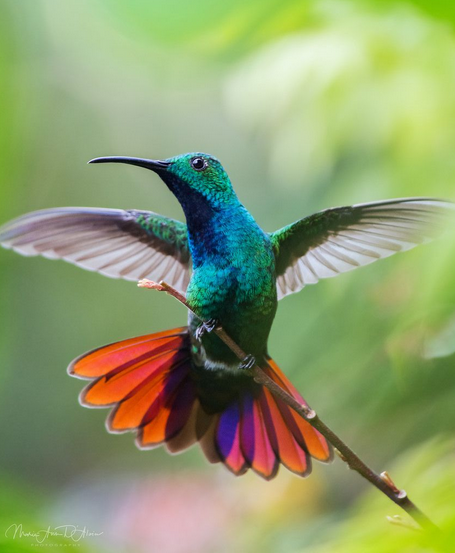
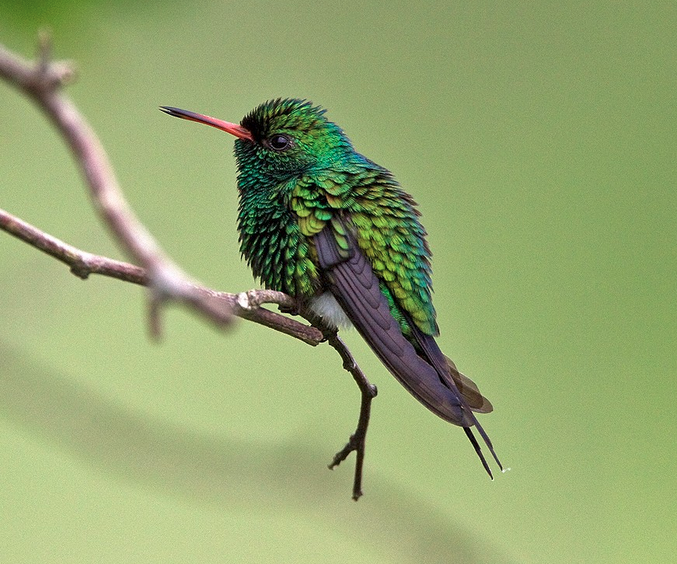
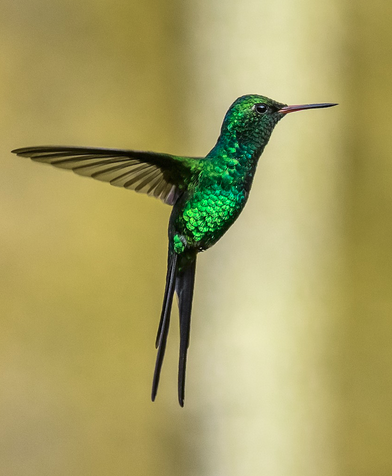
The Canivet's Emerald is a tiny, dazzling hummingbird that looks like a flying gemstone as it flits through the Yucatecan scrub. The male is almost entirely a brilliant, metallic grass-green from its head to its belly, which shimmers with a golden or bluish tint depending on how the sun hits its feathers. Its most striking feature is its long, deeply forked tail that is a dark, steely blue-black, often held closed into a sharp point or flared out like a pair of scissors during flight.
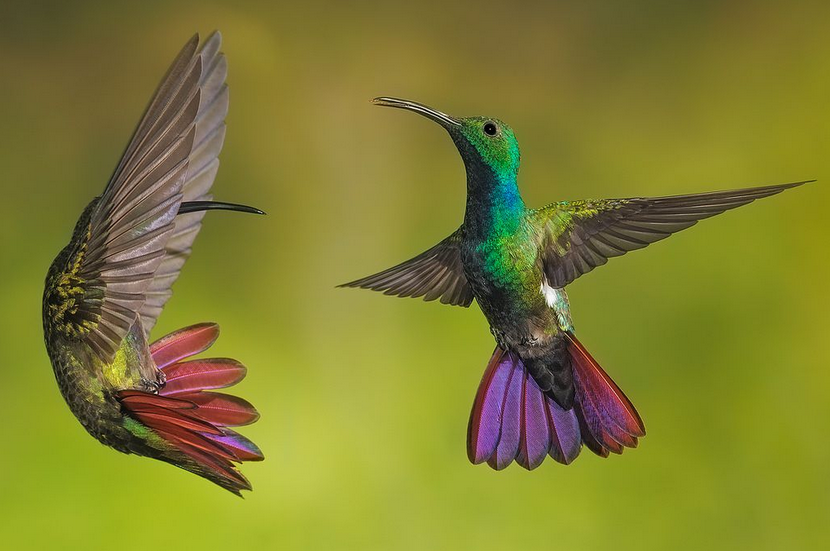
3.2: Green-Breasted Mango
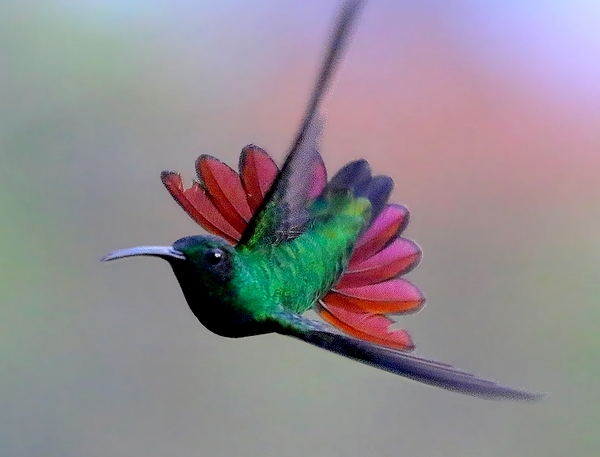
The Green-breasted Mango (Anthracothorax prevostii) is a heavy-weight sized hummingbird among the Yucatecan species, that is easily recognizable by its glossy, metallic green breast and its distinctive forked tail. The male is characterized by deep, saturated colors and a very structured pattern. Its throat features a wide, matte black stripe running from the chin down to the center of the breast. This black "bib" is framed by a shimmering, metallic blue-green or teal border. Its back and sides are a vivid, glossy deep green. Its tail is a brilliant magenta or deep burgundy with dark edges. It is broad and rounded, flashing bright purple when spread during flight.