Los Murciélagos
Camazotz, the bat god of the Mayans.
Mayan bats are associated with night, death, and sacrifice. He is often depicted as a humanoid figure with bat wings and a bat-like face. He is known as the beheader, and is often posed with a sacrificial knife in his hand. He is also associated with caves, which were considered sacred places in Mayan culture as they lead to Xibalba (the underworld).
Strangely, most of the bat depictions of the Maya are not actually of the bat god, Camazotz. Most of the art directly attributable to Camazotz ware Late Post Classical Period and represented in the Popul Vuh, making them more "recent" explanations. Earlier depictions of bats in the Classic Period are not necessarily depictions of Camazotz, and may be more general representations of bats or wahy beings. It is even possible that the name "Camazotz" was used to represent bat entities in general, and not a specific deity.
Here is a classical depiction almost certainly of Camazotz:
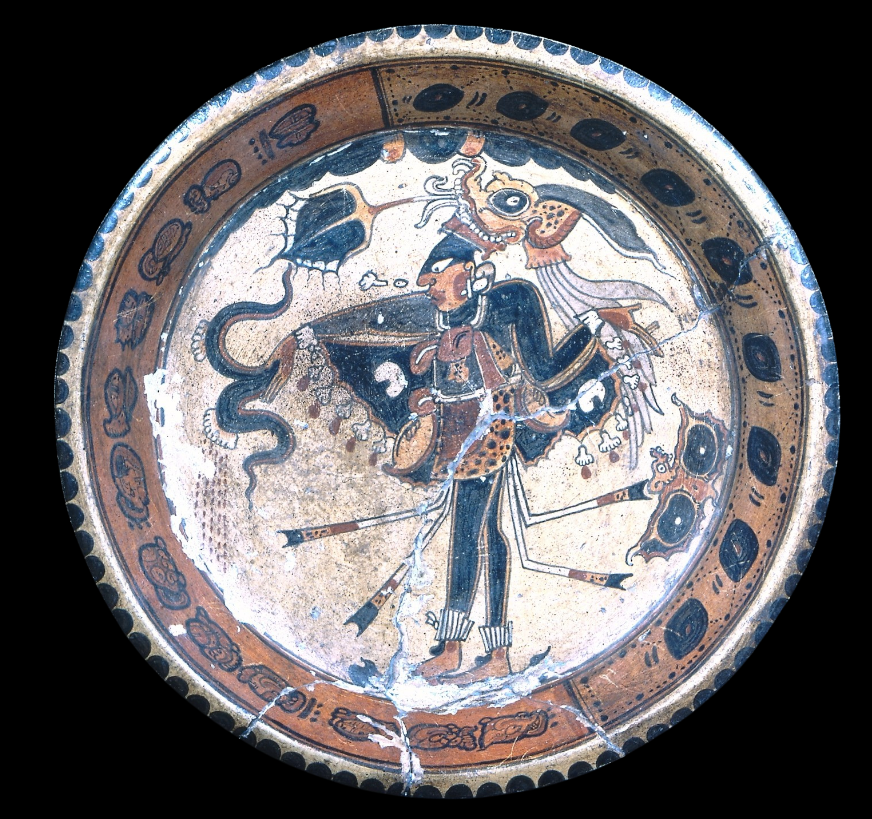
Some researchers doubt the color profile because it is unusual to find so much black in codex style Mayan art, and these types of pieces are often repainted to increase their value. However, the glyphs on the left and right of the figure are verified, and "unusual" doesn't necessarily mean it is not authentic. It is an incredible piece of art and a really cool illustration, but the colors seem up for interpretation.
K’ahk’ U Ti’ Suutz’: the “Fire-Mouthed Bat”
A lot of the bat representations available on the internet are found on ceramic pottery from the Classic Maya period. The Chama vases are some of the best preserved examples. Some glyphs give the name of the bat as K’ahk’ U Ti’ Suutz’, or "Fire-Mouthed Bat," and it is often labeled "Camazotz."
Crossed bones and disembodied eyes are common motifs in the depiction of this bat.
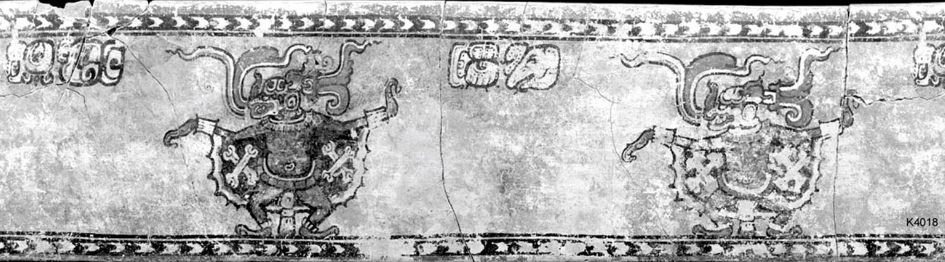
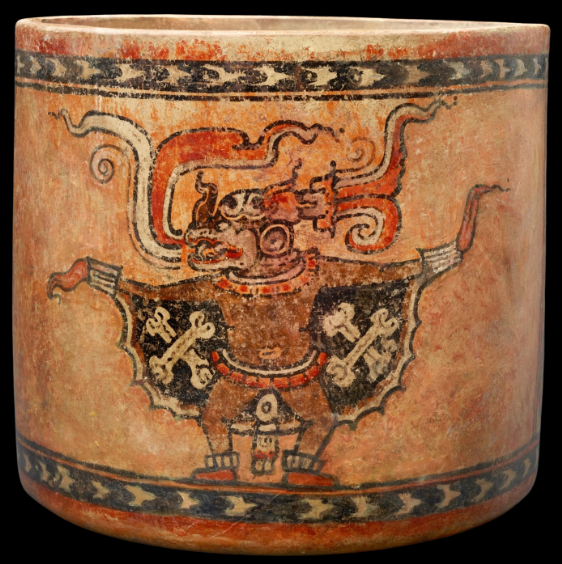
Here is an example of the disembodied eyes motif:
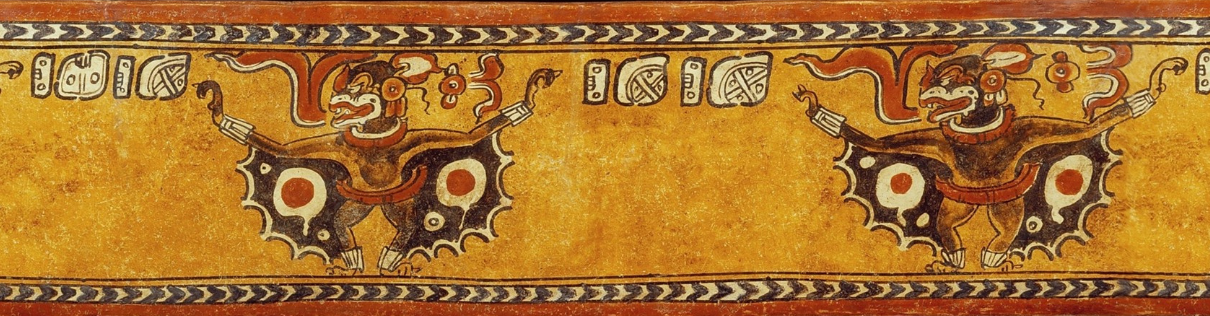
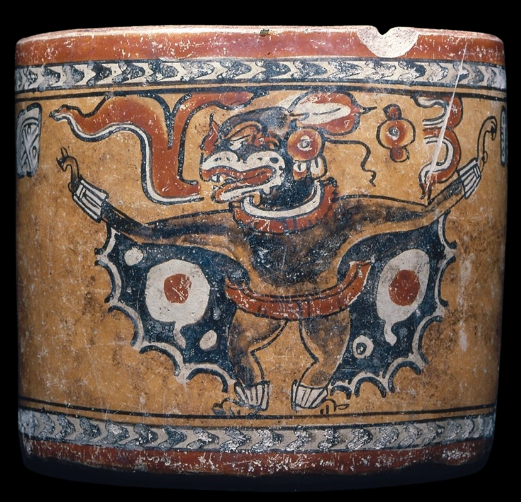
Sometimes they get fancy necklaces, crossed bones, AND disembodied eyes:
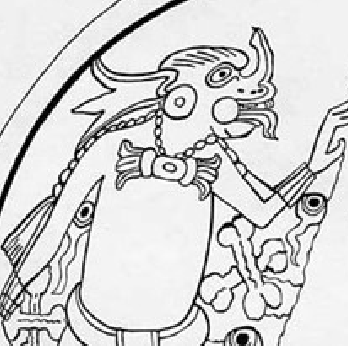
Glyphs for "bat"
Mayan heiroglyphs form the only complete linguistic writing system of the pre-Columbian Americas, and they are a combination of logograms (symbols that represent words) and syllabic signs (symbols that represent sounds). Here are some examples of decorative bat logograms found in classic period pottery.
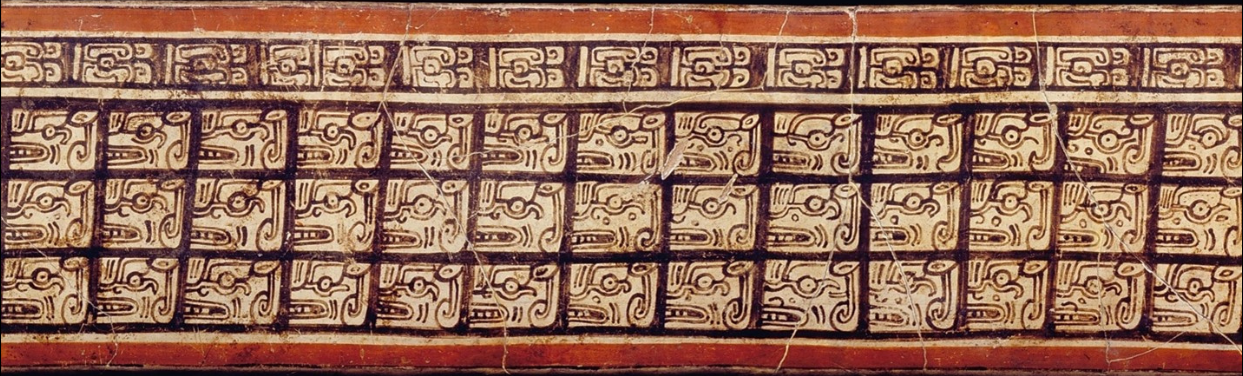
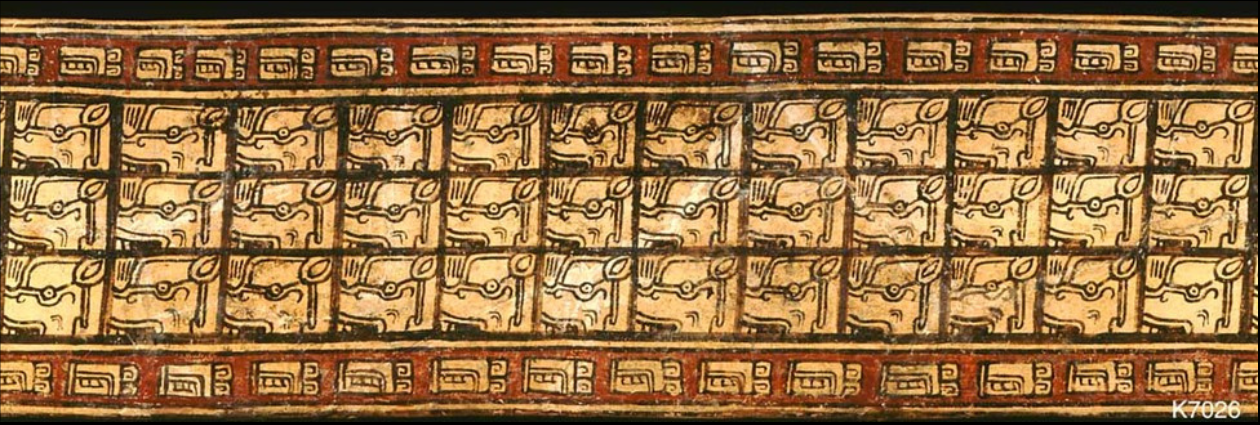
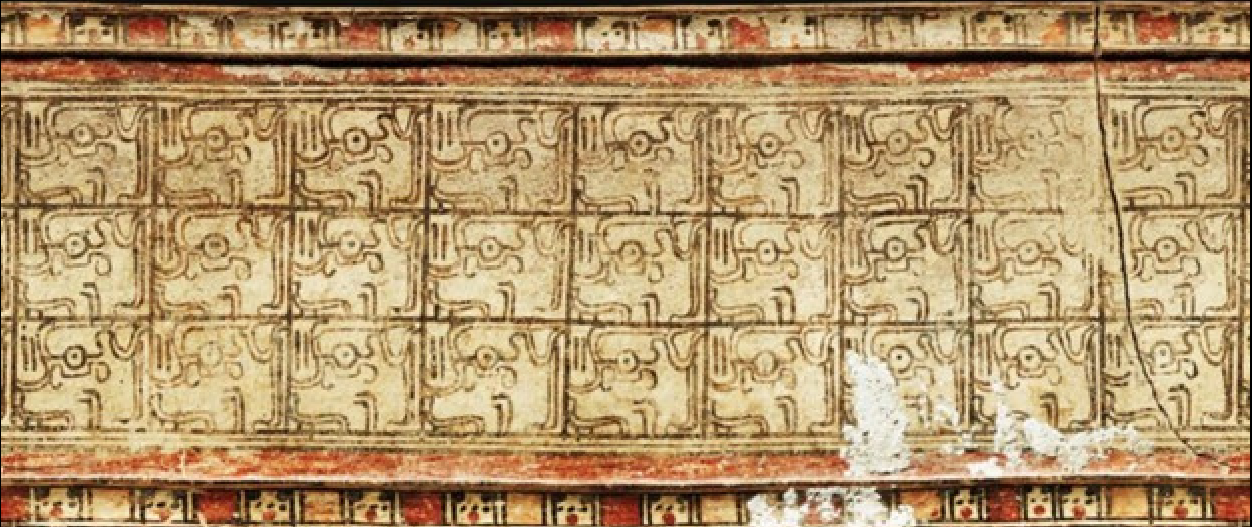
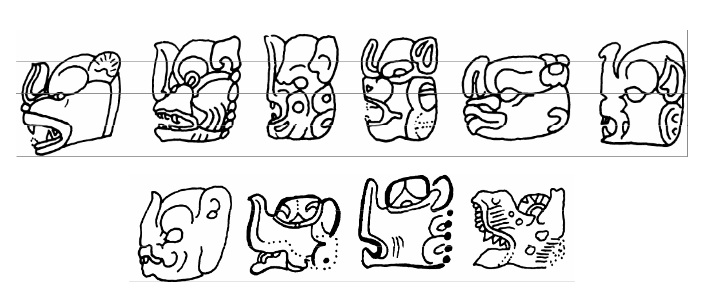
The word for "bat" is also the name of the fourth month in the Mayan calendar. Here are various examples of the fourth month sign.
The Leaf Nose Bats
The leaf-nosed bats are a family of bats that are native to Central and South America. They are named for the leaf-like structure on their noses, which is thought to help them navigate and find food in the dark.
Merriam's Bat


Palla's Bat
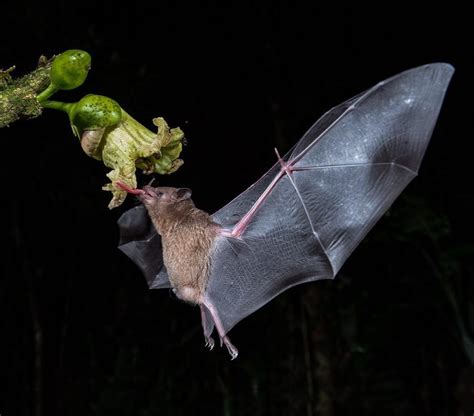
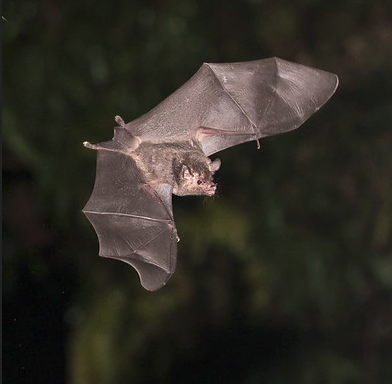
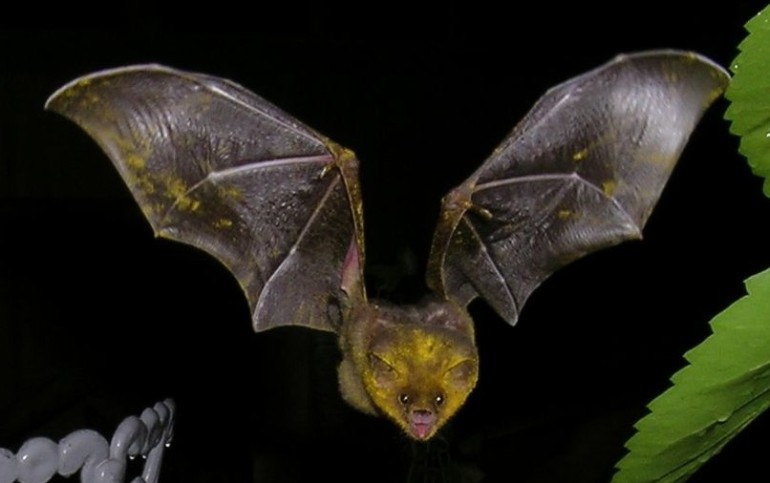
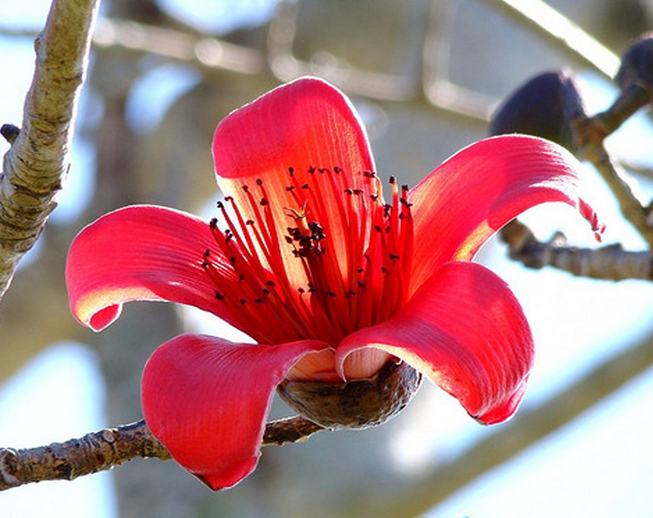
Flowers
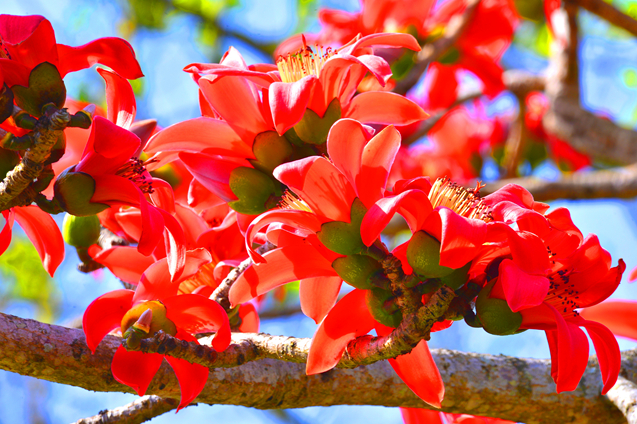
These bats are the primary pollinators of Ceiba pentandra, the sacred tree of the Maya. The Ceiba tree is a symbol of the connection between the heavens, the earth, and the underworld in Mayan mythology.
Watch out! NOT Mayan bats!
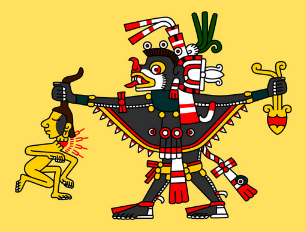
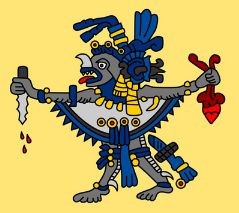
Images like these are also commonly mislabeled as Camazotz, but they are actually depictions of a Zapotec Bat God. The Zapotecs were a Mesoamerican civilization that lived in the Oaxaca region of Mexico, and they had their own distinct culture and mythology.