Balché
| Scientific name | Mayan name | Español | English |
|---|---|---|---|
| Lonchocarpus longistylus | Balché | Balché | Lancepods |
Tree
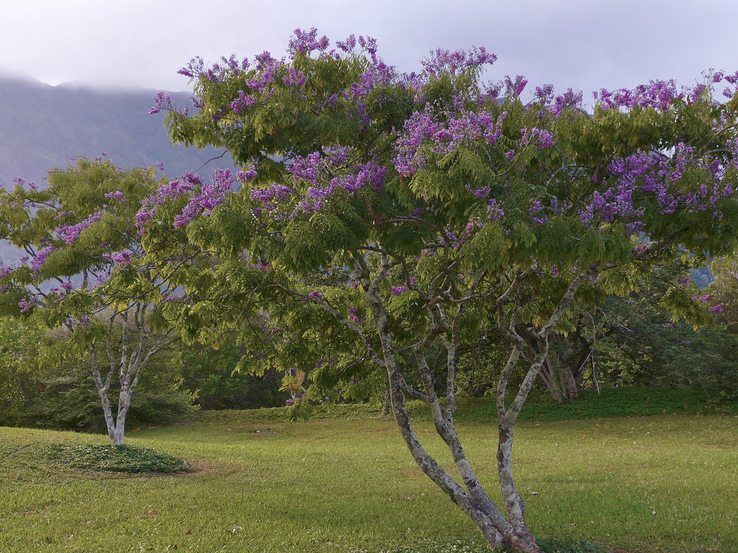
It is an evergreen or deciduous tree (depending on water availability) that typically grows up to 18 meters tall. It features a straight, short trunk and a wide, spreading crown with dense foliage. It thrives in wet tropical biomes and calcareous soils with outcropping rocks. Its bark and resin are used traditionally to treat stomach aches. Infusions of leaves are used to treat coughs, asthma, headaches, and as a disinfectant for wounds. It is highly valued in beekeeping as its flowers help maintain healthy hives and high-quality honey production.
Flowers
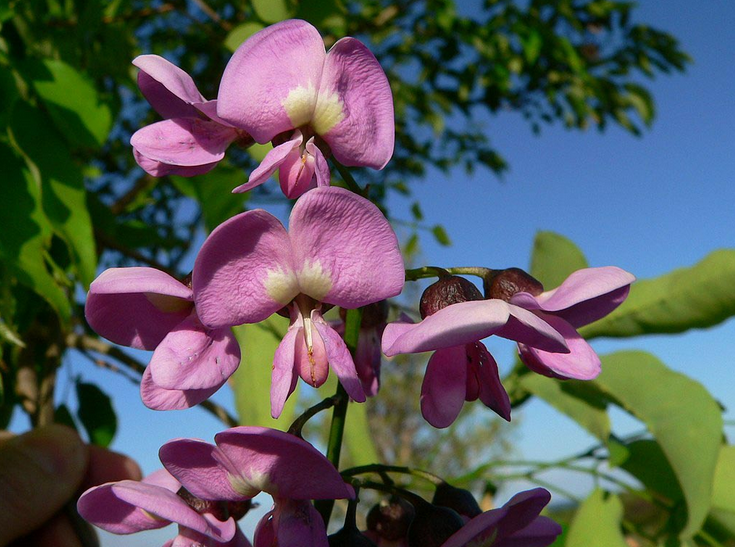
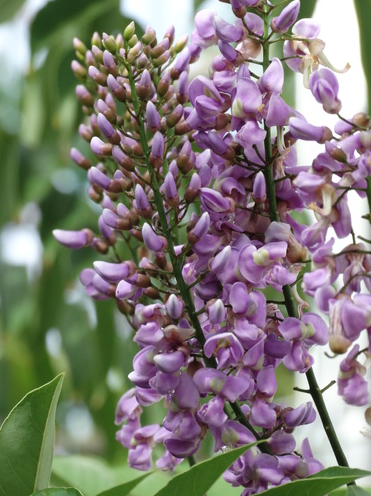
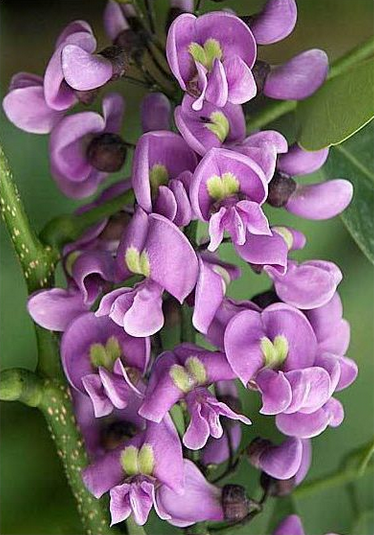
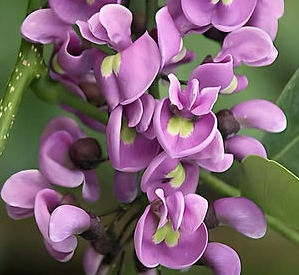
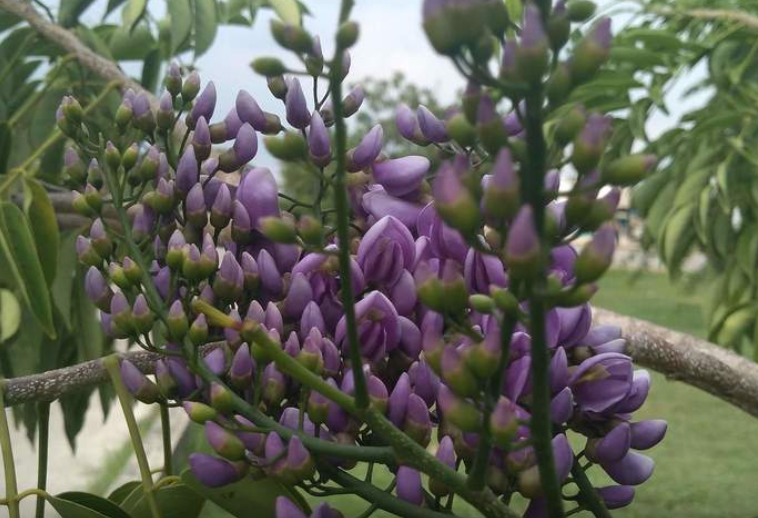
The tree produces purple flowers that are a significant nectar source for bees. The flowers are arranged in racemes (clusters) that can be up to 30 cm long, with each flower having a tubular shape and a distinctive long style (the part of the flower that connects the stigma to the ovary). The flowers bloom profusely during the rainy season, typically from June to September.
Fruit
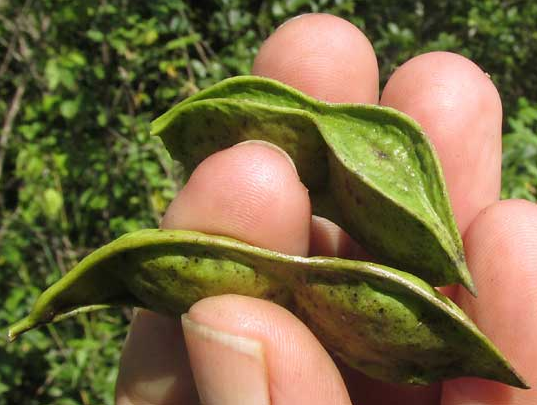
Its fruit pods resemble ornate lance tips, which gives the genus its nickname, "lancepods".
Mayan Sacred Wine
Balché the drink, is an ancestral, mildly intoxicating ceremonial drink of the Maya people, primarily used in the Yucatán Peninsula of Mexico and parts of Mesoamerica. Considered the "sacred wine" of the Mayans, it is used in rituals to connect with gods and ancestors, celebrate ceremonies like Hanal Pixan (Dia de Las Muertas), and seal marriage unions. It was banned by the Spanish conquerors, considering it pagan, and destroyed many of the trees.
Despite the ban, the Maya continued to produce it secretly. The ban was temporarily lifted after a Mayan leader, Chi, convinced the Spanish of its healing powers during a plague of intestinal diseases.
The drink is made by fermenting the bark of the Balché tree's bark with honey and water, resulting in a sweet, slightly effervescent beverage with a low alcohol content. The fermentation process can take several days to weeks, and the resulting drink is often consumed during religious ceremonies and social gatherings.
Origin of Xtabentún
It is believed that the Spanish prohibition influenced the development of another Maya liquor, Xtabentún, which is similar but sweeter.