Dzidzilché
| Scientific name | Mayan name | Español | English |
|---|---|---|---|
| Gymnopodium floribundum | Dzidzilché | Ts'iits'il Che' |
Highly regarded as one of the world's most productive honey plants, this species is vital, with its flowers producing copious amounts of nectar. It is estimated to contribute significantly (as much as 80%) to honey production in the Yucatán, producing a light-to-dark amber, high-quality, aromatic honey that is notably slow to crystallize.
The Tree
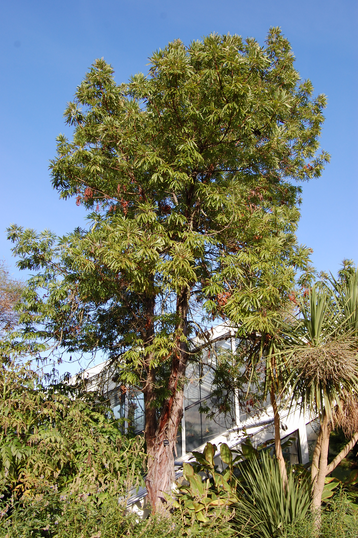
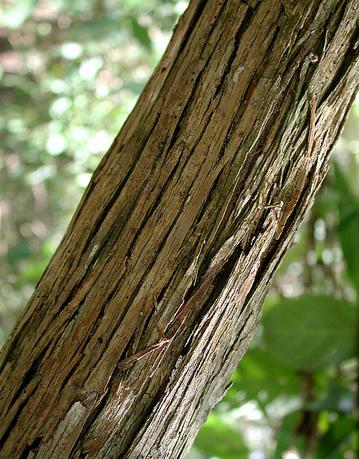
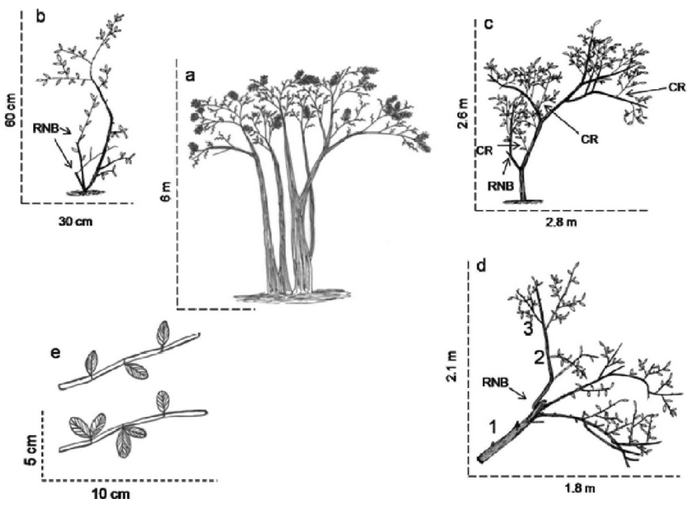
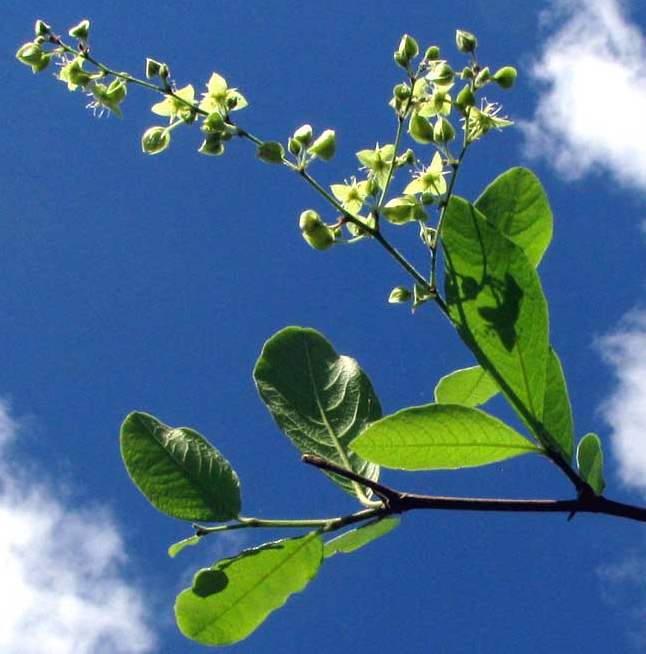
It presents as a shrub or small tree, typically reaching heights of 2 to 7 meters. It has a broad, spreading canopy with deeply fissured and dark brown bark, it often peels easily and serves as a substrate for epiphytic orchids and bromeliads.
THe Fowers
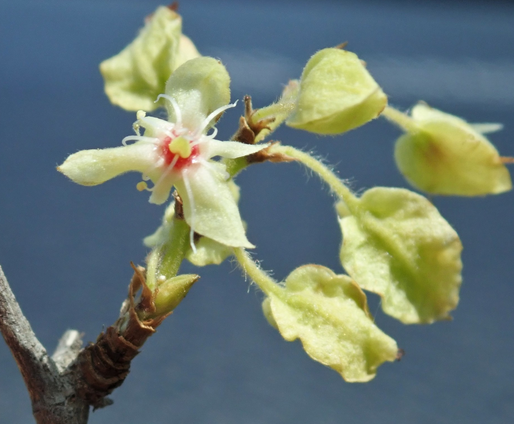
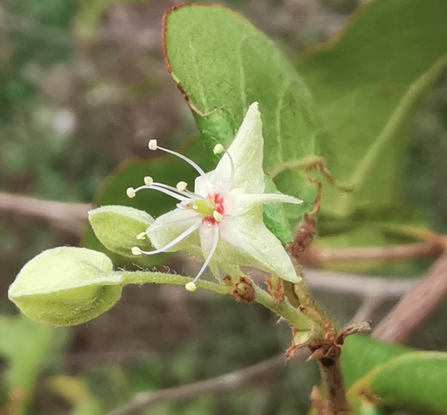
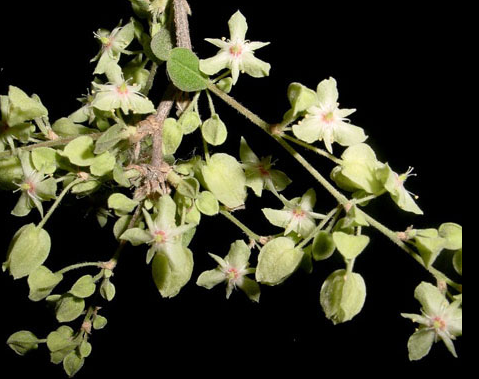
The plant thrives in the dry season and flowers abundantly. The flowers are small, fragrant, greenish-yellow to white flowers that bloom in dense, narrow clusters. The flowers often having a small pink spot at the base to guide bees.
Leaves
Its leaves are ovate-to-obovate leaves (alternating) and small with a glossy light green color. They are deciduous, shedding during the hot, dry season to conserve water.
Medicine!
Studies suggest its leaves can be used as a nutraceutical fodder for livestock like lambs to help reduce intestinal parasites.